Disease Guide ·Hip Dysplasia ·2026

Hip Dysplasia in Dogs — symptoms, vet costs & insurance

Hip dysplasia surgery costs $3,000-$7,000 per hip — and many dogs need both done. This genetic condition causes the hip joint to develop abnormally, leading to pain, lameness, and arthritis. Large and giant breeds are most affected, but it can show up in any dog. Conservative management runs $500-$2,000 per year, while total hip replacement is the gold-standard surgical fix.

Hip Dysplasia — vet costs and insurance
Hip Dysplasia — real vet costs and insurance guide.
№01
Key Facts & Real Vet Costs

What Causes Hip Dysplasia

Hip dysplasia is a genetic condition where the ball and socket of the hip joint don't fit together properly. The joint loosens, causing abnormal wear and eventual arthritis. Rapid growth, excess weight, and improper nutrition during puppyhood can accelerate the problem. Affects up to 50% of large breeds

Symptoms — What to Watch For

Bunny-hopping gait or reluctance to climb stairs. Difficulty rising from a lying position. Decreased activity or reluctance to run and jump. Stiffness in the hind legs, especially after rest. Audible clicking from the hip area. Loss of muscle mass in the thighs. Symptoms often appear at 5-10 months or later in life

Diagnosis — $200-$600

Physical examination and hip manipulation ($50-$100) to check range of motion and pain response. X-rays ($150-$400) under sedation are the standard diagnostic — they reveal joint laxity and arthritic changes. OFA or PennHIP evaluations are used for breeding screening. Average $200-$600

Treatment — $500-$7,000

Conservative management includes weight control, joint supplements, anti-inflammatory meds, and physical therapy — running $500-$2,000 per year. Surgical options: FHO ($1,500-$3,000), TPO ($3,000-$6,000), or total hip replacement ($3,000-$7,000 per hip). Surgery choice depends on age and severity. Average $500-$7,000

Total Cost — $1,000-$14,000

Diagnosis plus treatment. Bilateral hip replacement can push costs to $7,000-$14,000 total.

Large & Giant Breeds — Higher Risk

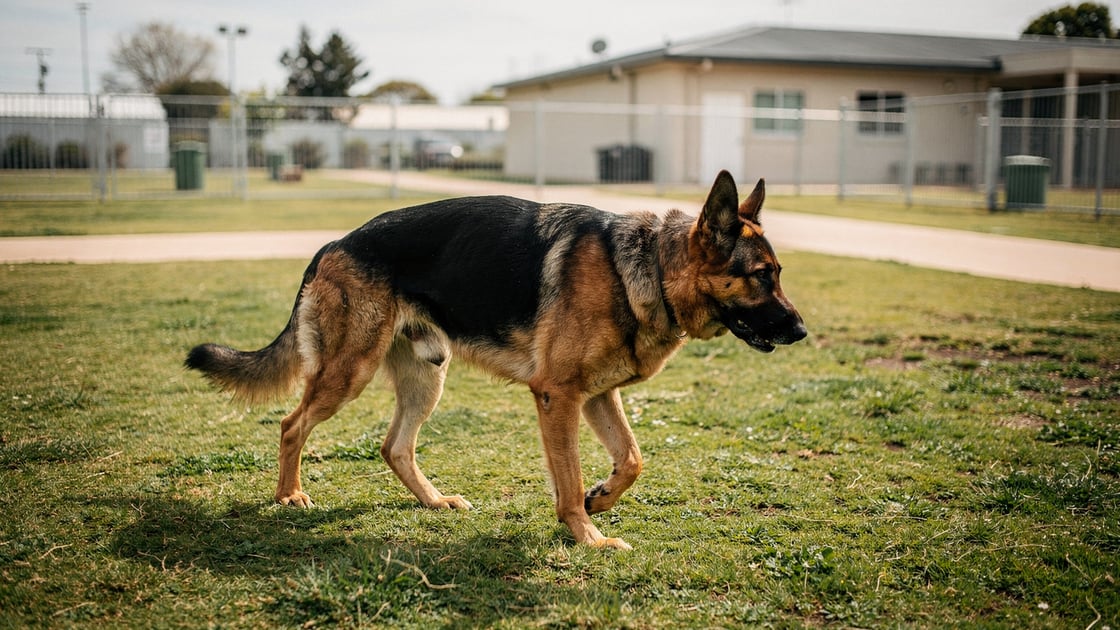
German Shepherds, Labs, Goldens, and Rottweilers are most prone. Genetics is the primary factor.

Recovery — 3-6 Months

Post-surgery recovery takes 3-6 months of restricted activity. Physical therapy speeds return to function.

Prevention

Buy from breeders with OFA-certified parents. Maintain lean body weight. Avoid over-exercising puppies.

№02

The Real Cost

Diagnosis plus treatment.

Diagnosis$200-$600 Treatment$500-$7,000 Total Cost$1,000-$14,000
$1,000typical cost
№03
Insurance Traps Hip dysplasia is one of the most commonly denied claims. Know the rules before you need them.
Red flag · Pre-existing

Coverage Basics

Most policies cover hip dysplasia if your dog shows no signs before enrollment. However, many insurers impose a 6-12 month orthopedic waiting period — much longer than the standard 14-day illness wait. Some require a vet exam or X-rays at enrollment to confirm no pre-existing joint issues.

Red flag · Waiting period

The Waiting Period Trap

Hip dysplasia often appears in the first year of life — exactly when the extended orthopedic waiting period is active. If your puppy shows symptoms during the waiting period, treatment for hip dysplasia may be permanently excluded. Enroll your puppy as early as possible to start the clock.

Red flag · Deductible

Cost vs Deductible

Total hip replacement at $3,000-$7,000 per hip is where insurance pays off dramatically. With a $500 deductible and 80% reimbursement, you could save $2,000-$5,000 on surgery alone. Conservative management costs less per visit but adds up over years.

Red flag · Bilateral

Bilateral Exclusions

Some insurers treat bilateral hip dysplasia (both hips) as a single condition with one deductible. Others treat each hip separately, doubling your deductible. Read the fine print on bilateral condition clauses — it can mean a difference of hundreds of dollars.

Hip Dysplasia and pet insurance guide

🇺🇸 US Pet Insurance Guide

Enroll before the first symptom appears

Our guide shows exactly what to check in the fine print — before your first claim gets denied.

Insurance Guide
№04
Common Questions Real answers about costs, treatment, and insurance coverage.
0What are the first signs of hip dysplasia in dogs?
The earliest signs are often subtle — a bunny-hopping gait when running, reluctance to climb stairs or jump into the car, and stiffness after resting. Puppies may show these signs as early as 5 months old. In adult dogs, you might notice decreased activity, difficulty rising, loss of thigh muscle mass, and an audible click when walking. Some dogs compensate so well that owners don't notice until the condition is advanced.
1How much does hip dysplasia surgery cost?
It depends on the procedure. FHO (femoral head ostectomy) runs $1,500-$3,000 and works best for smaller dogs. TPO (triple pelvic osteotomy) costs $2,500-$5,000 and is done on young dogs before arthritis develops. Total hip replacement is the gold standard at $3,000-$7,000 per hip. If both hips need surgery, you're looking at $7,000-$14,000 total. Add in diagnostics, medication, and physical therapy for full costs.
2Can hip dysplasia be treated without surgery?
Yes. Conservative management works for mild to moderate cases and includes weight management, joint supplements (glucosamine, chondroitin, fish oil), anti-inflammatory medications (NSAIDs), physical therapy, and controlled exercise. This approach costs $500-$2,000 per year. It manages symptoms but doesn't fix the underlying joint problem. Many dogs live comfortably with conservative treatment, though arthritis will progress over time.
3At what age does hip dysplasia appear in dogs?
Hip dysplasia can show symptoms as early as 5-10 months during rapid growth. Some dogs don't show clinical signs until 1-2 years old, and others seem fine until arthritis develops in middle or old age. The joint malformation is present from birth — it's a developmental condition — but symptoms depend on severity, weight, activity level, and muscle mass. Early screening X-rays can detect it before symptoms appear.
4Is hip dysplasia genetic?
Yes, hip dysplasia is primarily genetic. It's a polygenic trait, meaning multiple genes contribute. Dogs with dysplastic parents are significantly more likely to develop it. That's why responsible breeders screen with OFA or PennHIP evaluations before breeding. However, environmental factors also play a role — rapid growth, excess weight during puppyhood, over-exercising young puppies, and improper nutrition can worsen genetic predisposition.
5What breeds are most prone to hip dysplasia?
Large and giant breeds are most affected. German Shepherds, Labrador Retrievers, Golden Retrievers, Rottweilers, Great Danes, Saint Bernards, and Bulldogs have the highest rates. Some studies show 50% or more of certain breeds are affected to some degree. However, hip dysplasia can occur in any breed, including medium and small dogs. Mixed breeds with large-breed genetics are also at risk.
6Does pet insurance cover hip dysplasia?
Most policies cover hip dysplasia if enrolled before symptoms appear. The catch: many insurers have a 6-12 month orthopedic waiting period, much longer than the standard 14-day illness wait. If your dog shows any signs during that waiting period, hip dysplasia becomes a pre-existing condition and is permanently excluded. Enroll your puppy as early as possible and keep records of clean vet exams during the waiting period.
7How can I prevent hip dysplasia in my dog?
You can't prevent genetic hip dysplasia, but you can reduce severity. Keep your puppy lean — excess weight stresses developing joints. Avoid high-impact exercise like jumping and running on hard surfaces until growth plates close (12-18 months for large breeds). Feed a large-breed puppy food that controls growth rate. Supplement with joint-supporting nutrients. The most important prevention is buying from breeders who screen parents with OFA or PennHIP.

Breeds Most Affected by Hip Dysplasia

Marcel Janik, founder of RealVetCost

I'm a dog owner who got burned

My mother-in-law took her German boxer to the veterinary emergency room — $1,200 in tests, no answers. A different vet solved it in minutes with $8 pills.

That moment stuck with me. When you’re scared for your dog, you’ll pay anything. Some vets take advantage of that. I started digging into vet costs and pet insurance. The policies were confusing, the exclusions buried, the pricing impossible to compare. So I built the resource I wish existed. Real costs, real exclusions, plain speak. I’m not here to sell you a policy. I’m here so you don’t get blindsided.