The Breed Report ·Rottweiler ·2026

Rottweiler health problems & vet costs

Rottweilers are powerful, loyal, and disproportionately hit by cancer. Osteosarcoma, hip dysplasia, cruciate tears, and bloat make this breed one of the most expensive to treat. Average lifespan just 8-10 years — here's what you need to know.

Rottweiler — vet costs and insurance
Rottweiler — real vet costs and insurance guide.
№01
Common Health Problems Breed-specific risks — know them before the vet does.

Hip Dysplasia

Malformed hip joint causing pain, limping, and progressive arthritis. Rottweilers are among the top 5 breeds for hip dysplasia.

Risk20%·High risk
Treatment$1,500-$7,000/hip

Cancer (Osteosarcoma)

Bone cancer is devastatingly common in Rottweilers. Often requires amputation followed by chemotherapy.

Risk12%·Moderate risk
Treatment$5,000-$15,000+

Cruciate Ligament Tear

Knee ligament rupture requiring surgical stabilization. Heavy breed means higher surgical complexity.

Risk10%·Moderate risk
Surgery$3,000-$6,000/knee

Bloat (GDV)

Life-threatening stomach twist. Deep-chested Rottweilers are high risk. Can kill within hours.

Risk8%·Moderate risk
Surgery$1,500-$7,500

Elbow Dysplasia

Abnormal elbow development. Surgery

Risk7%·Lower risk
Surgery$1,500-$4,000

Hypothyroidism

Underactive thyroid. Medication

Risk4%·Lower risk
Annual treatment$200-$1,000/year

Dental Disease

Periodontal disease affects over 80% of dogs by age 3. Bacteria from infected teeth enter the bloodstream, damaging heart, kidneys, and liver over time.

Risk80%·High risk
Cleaning / extractions$300–$1,500

№02

The Lifetime Cost

Estimated total vet and insurance costs over a Rottweiler's 9-year lifespan — routine care, insurance premiums, and the most likely health issues.

Routine care (9 yr)$7,650 Insurance premiums (9 yr)$10,476 Hip Dysplasia$1,500-$7,000/hip Cancer (Osteosarcoma)$5,000-$15,000 Cruciate Ligament Tear$3,000-$6,000/knee Bloat (GDV)$1,500-$7,500
$22,000estimated lifetime
№03
Insurance Traps Most owners sign a policy based on ads, but learn the real rules only when their first big claim gets denied.
Red flag · Pre-existing

Cancer Clock Is Ticking

12% of Rottweilers develop cancer, often by age 7-8. Most policies have no cancer-specific exclusion — but if any related symptom (lameness, swelling) was noted before enrollment, the entire claim gets denied. Osteosarcoma treatment runs $5,000-$15,000+.

Red flag · Bilateral

Bilateral Ligament Trap

Tear a cruciate in one knee? The insurer stops covering the other knee too. Rottweilers commonly tear both knees (50% chance of second tear within 2 years). One diagnosis can mean $6,000-$12,000 out of pocket for the second knee.

Red flag · Waiting period

Bloat = Emergency, But Waiting Period

Bloat can strike anytime and needs emergency surgery within hours. But GI conditions often have waiting periods. If bloat happens in the first 14-30 days, the $1,500-$7,500 bill is entirely yours.

Red flag · Premium creep

Short Life, Max Premiums

Rottweilers live just 8-10 years but are classified as high-risk from day one. Premiums rise 15-20% annually and peak right when cancer and joint disease are most likely. You pay the most during the exact years you're most likely to need coverage.


Rottweiler and pet insurance guide

🇺🇸 US Pet Insurance Guide

How to insure before problems start

Our guide shows exactly what to check in the fine print — before your first claim gets denied.

Insurance Guide
№04
Common Questions Real answers about costs, treatment, and insurance coverage.
0What are the most common Rottweiler health problems?
The most common Rottweiler health problems are hip dysplasia (20%), cancer/osteosarcoma (12%), cruciate ligament tears (10%), bloat/GDV (8%), elbow dysplasia (7%), heart disease/SAS (6%), allergies (5%), and hypothyroidism (4%). Rottweilers are disproportionately affected by osteosarcoma (bone cancer) — they account for more bone cancer cases than almost any other breed. Regular veterinary checkups and early screening are essential.
1How common is cancer in Rottweilers?
Cancer is devastatingly common in Rottweilers — roughly 12% develop cancer, with osteosarcoma (bone cancer) being the most frequent type. Rottweilers are among the breeds most predisposed to osteosarcoma, typically appearing between ages 7-10. Signs include persistent lameness, swelling in a limb, and reluctance to bear weight. Treatment usually involves amputation ($2,000-$4,000) followed by chemotherapy ($3,000-$10,000+). Even with treatment, median survival is 10-12 months. Early detection improves outcomes.
2What is the average lifespan of a Rottweiler?
The average Rottweiler lifespan is 8-10 years — shorter than most breeds their size. Cancer and joint disease are the leading causes of death. Some Rottweilers live to 12+, but they're the exception. This short lifespan means health issues compress into fewer years, and the most expensive conditions (cancer, joint surgery) tend to hit during the peak premium years. Financial planning from puppyhood is essential.
3How much does Rottweiler hip dysplasia treatment cost?
Hip dysplasia treatment for a Rottweiler costs $1,500-$7,000 per hip. Total hip replacement (THR) runs $5,000-$7,000 per side. FHO (femoral head ostectomy) is less expensive at $1,500-$3,000 but has variable results in large breeds. Many Rottweilers need both hips treated. Non-surgical management (medications, supplements, physical therapy) costs $500-$2,000/year but doesn't fix the underlying problem. Rottweilers are a top-5 breed for hip dysplasia prevalence.
4How much does Rottweiler cruciate ligament surgery cost?
TPLO surgery for a Rottweiler's cruciate ligament tear costs $3,000-$6,000 per knee. Rottweilers are heavy dogs, making the surgery more complex. The critical concern: 50% of dogs that tear one cruciate tear the other within 2 years. With bilateral exclusion clauses, one knee surgery can mean the insurer refuses to cover the second knee — potentially $6,000-$12,000 out of pocket for the second surgery.
5How much does pet insurance cost for a Rottweiler?
Pet insurance premiums for Rottweilers start at $40-$70/month for a puppy — higher than average because of their risk profile. Premiums increase 15-20% annually. By age 7-8 (when cancer risk peaks), premiums can reach $150-$250/month. Over an 8-10 year lifespan, total premiums reach $15,000-$25,000+. Always check cancer coverage, orthopedic waiting periods, and bilateral exclusion clauses before enrolling.
6Is pet insurance worth it for a Rottweiler?
Rottweilers face some of the highest veterinary costs of any breed — osteosarcoma treatment ($5,000-$15,000+), hip dysplasia ($1,500-$7,000/hip), cruciate surgery ($3,000-$6,000/knee), and bloat surgery ($1,500-$7,500). If you enroll as a puppy before any symptoms appear, insurance can provide genuine financial protection against catastrophic costs. However, read the fine print — check cancer coverage, orthopedic waiting periods, bilateral exclusions, and breed-specific limitations. The workbook helps you evaluate whether insurance makes sense for your specific Rottweiler.
7What is bloat (GDV) in Rottweilers?
Bloat (gastric dilatation-volvulus/GDV) is a life-threatening emergency where the stomach fills with gas and twists on itself. Rottweilers are a high-risk breed due to their deep chest. Symptoms include restlessness, drooling, distended abdomen, and unproductive retching. Without emergency surgery ($1,500-$7,500) within hours, it's fatal. Preventive gastropexy during spay/neuter ($300-$500) reduces risk by over 90%. Feed smaller, more frequent meals and avoid exercise immediately after eating.
8What is the average yearly vet cost for a Rottweiler?
A healthy Rottweiler costs roughly $700-$1,500/year in routine veterinary care (exams, vaccines, preventive medications). With joint conditions, annual costs jump to $3,000-$6,000+. Cancer treatment can add $5,000-$15,000+ in a single year. Senior Rottweilers with multiple health issues can exceed $8,000-$15,000/year. Given their 8-10 year lifespan and high cancer risk, financial planning from day one is critical.
9Does pet insurance cover cancer in Rottweilers?
Most policies cover cancer if no related symptoms appeared before enrollment or during the waiting period. However, any early lameness noted by a vet — even casually — can be used to deny an osteosarcoma claim later as 'related to a pre-existing musculoskeletal condition.' Some policies have annual or lifetime payout caps that are quickly exhausted by cancer treatment. Always check: cancer-specific coverage limits, how they define 'related conditions,' and whether chemotherapy is covered.
10Can I switch pet insurance if my Rottweiler has a diagnosed condition?
You can switch, but any diagnosed condition becomes pre-existing with the new insurer. For Rottweilers with hip dysplasia, cruciate tears, or cancer, switching means losing coverage for the most expensive treatments. The shorter Rottweiler lifespan means conditions accumulate quickly — by age 6-7, most Rottweilers have at least one condition that would be excluded by a new insurer.
11What questions should I ask before insuring my Rottweiler?
Ask these exact questions in writing: (1) Is osteosarcoma/cancer fully covered, and what are the payout limits? (2) What are the orthopedic waiting periods for hip dysplasia and cruciate tears? (3) Do you have bilateral exclusion clauses? (4) Does early lameness create a pre-existing exclusion for future cancer claims? (5) Show me premium examples at ages 1, 5, 7, and 9 for a Rottweiler. (6) What is your claims denial rate? If they dodge any question, that's your answer.

Similar Breeds

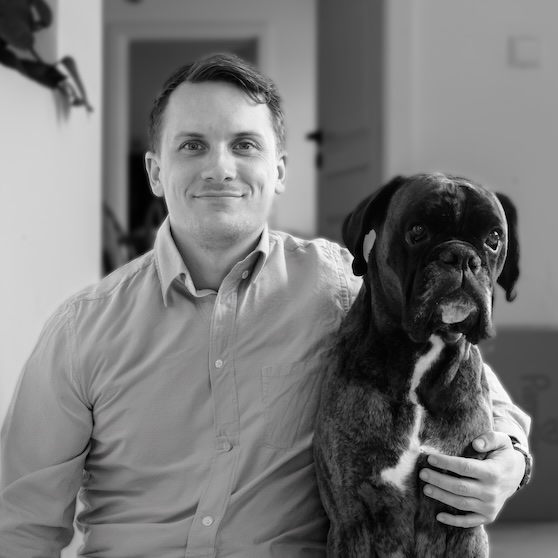
Marcel Janik, founder of RealVetCost

I'm a dog owner who got burned

My mother-in-law took her German boxer to the veterinary emergency room — $1,200 in tests, no answers. A different vet solved it in minutes with $8 pills.

That moment stuck with me. When you’re scared for your dog, you’ll pay anything. Some vets take advantage of that. I started digging into vet costs and pet insurance. The policies were confusing, the exclusions buried, the pricing impossible to compare. So I built the resource I wish existed. Real costs, real exclusions, plain speak. I’m not here to sell you a policy. I’m here so you don’t get blindsided.