Disease Guide ·Hemangiosarcoma ·2026

Hemangiosarcoma in Cats — symptoms, vet costs & insurance

Hemangiosarcoma is a malignant tumor of blood vessel cells — rarer in cats than dogs. Visceral HSA (splenic, hepatic) survives 1-4 months even with treatment; cutaneous forms exceed 12 months with excision. In cats, splenic and cutaneous (skin) are most common. Cutaneous HSA, usually from UV exposure in white/light cats, has much better prognosis than internal forms. Surgery: $1,500-$4,000.

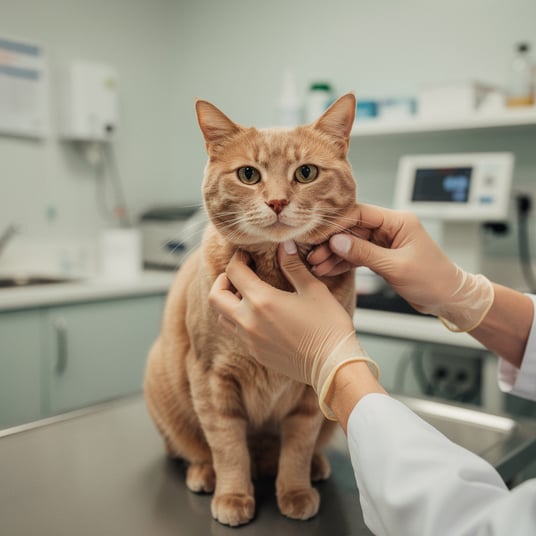
Veterinarian palpating a feline abdomen for hemangiosarcoma diagnosis
Hemangiosarcoma in cats — real vet costs and insurance guide.
01/04
Key Facts & Real Vet Costs

What Causes Hemangiosarcoma

Arises from blood vessel endothelial cells. In cats: spleen/liver (visceral—most aggressive), skin (cutaneous—best prognosis), rarely heart. Cutaneous HSA strongly linked to chronic UV exposure — white cats and those with unpigmented ears, nose, eyelids at highest risk. No genetic cause identified. UV exposure drives cutaneous form in white/light cats

Symptoms — Depends on Location

Visceral (splenic/hepatic): acute collapse, pale gums, rapid heart rate from internal bleeding; or chronic weight loss, weakness, poor appetite. Cutaneous: red, purple, or dark lesions on ears, nose, eyelids, sparsely haired areas—may bleed or ulcerate. Cardiac: rare in cats, causes pericardial effusion and exercise intolerance. Sudden collapse from tumor rupture is often the first sign. Collapse from internal hemorrhage is common presentation

Diagnosis — $400-$900

Abdominal ultrasound ($200-$400): splenic masses, free blood. Blood panel ($150-$250): anemia, thrombocytopenia. Chest X-rays ($150-$300): lung metastasis. Fine needle aspirate ($100-$200) for cutaneous form. Histopathology of tissue confirms diagnosis. Echocardiogram ($400-$600) for suspected cardiac HSA. Ultrasound + bloodwork is the first diagnostic step

Treatment — $1,500-$4,000

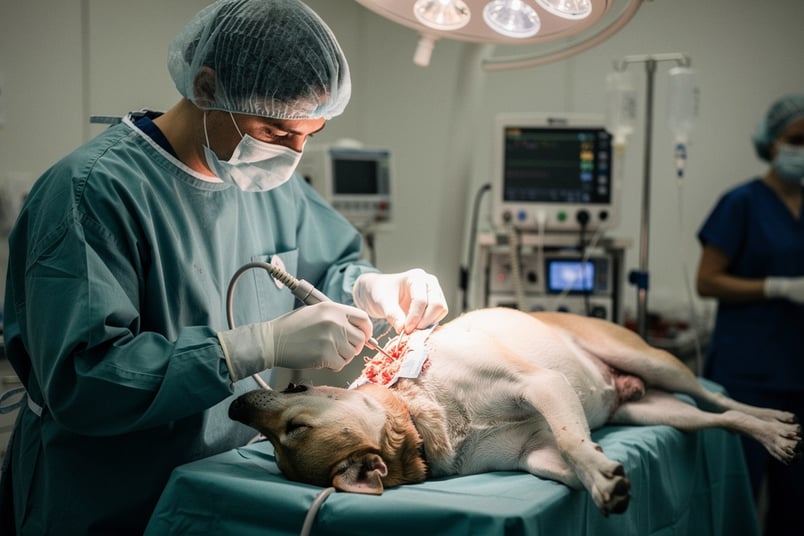
Splenic HSA: splenectomy ($1,500-$3,000) is emergency surgery when tumor ruptures. Median survival post-surgery: 1-3 months in cats. Chemotherapy (doxorubicin-based) may extend to 3-6 months. Cutaneous HSA: wide surgical excision ($800-$1,500) + sun protection—median survival exceeds 12 months. Apply SPF sunscreen to at-risk skin. Splenectomy is the immediate treatment for visceral HSA

Total Cost — $2,000-$5,000

Emergency splenectomy + staging + possible chemotherapy. Cutaneous HSA: $1,000-$2,000 for excision and follow-up.

Breed Risk — White Cats at Highest Risk

White cats and cats with light-colored ears, nose, and eyelids are at greatest risk for cutaneous HSA from UV damage. Older cats (median age 10+ years) for visceral forms. No specific breed predisposition identified.

Prognosis — Location-Dependent

Cutaneous (localized): median survival 12+ months with excision. Visceral (splenic/hepatic): 1-4 months even with surgery. Cardiac: weeks to months. Metastatic disease has a poor prognosis.

Prevention

Limit UV exposure for white and light-colored cats: keep indoors during peak sun hours (10am-4pm). Apply pet-safe SPF sunscreen to ears and nose. Annual vet checks to detect skin changes early.

02/04

The Real Cost

Emergency splenectomy + diagnostics for visceral HSA.

Diagnosis$400-$900 Surgery$1,500-$3,000 Chemotherapy (optional)$2,000-$4,000
$2,500typical cost
03/04
Insurance Traps A serious cancer that often strikes suddenly — insurance can make a real difference.
Red flag · Coverage

Coverage Basics

Hemangiosarcoma is covered as cancer by most accident and illness policies. Coverage: emergency surgery, diagnostics, staging, chemotherapy. Visceral HSA often strikes as life-threatening emergency—insurance authorizes and funds immediate surgery.


Red flag · Pre-existing

Splenic Mass Pre-existing Trap

If a splenic mass was identified on prior imaging before enrollment—even if considered benign—HSA-related claims may be denied as pre-existing. Cats with prior abdominal ultrasound showing splenic abnormality face this risk. Enroll before any imaging is done.

Red flag · Exclusion

Emergency Surgery Authorization

Splenic HSA often ruptures without warning, requiring immediate emergency splenectomy. Most insurers cover emergency procedures, but pre-authorization may be required. Keep your insurer's emergency number accessible—call from the vet during surgery if possible.

Red flag · Cancer limits

Cancer Treatment Limits

Some policies have per-condition or annual limits for cancer. Verify your policy's cancer limit covers emergency surgery + staging + chemotherapy ($5,000+). Low cancer limits ($2,000-$3,000) may not cover full treatment for visceral HSA.

Pet Insurance Due Diligence Workbook
Happy readers

Happy readers

🇺🇸 US Pet Insurance Guide

Pet Insurance Worksheet

Not a book. Not a course. One printable worksheet that walks you through the exact questions and red flags — so you know what you're signing before you sign it. Takes 10 minutes. Saves you thousands.

Download the Worksheet

Instant PDF. Print it, fill it out, bring it to your insurer call.

04/04
Common Questions Real answers about hemangiosarcoma in cats, treatment, and insurance.
0What is hemangiosarcoma in cats?
HSA is a malignant tumor from blood vessel cells (endothelium). Most common sites: spleen and liver (visceral) and skin (cutaneous). Cutaneous HSA is typically from UV radiation and has much better prognosis than visceral forms.
1What are the symptoms of hemangiosarcoma in cats?
Visceral HSA: sudden collapse, pale gums, rapid breathing, weakness from internal hemorrhage. Before rupture: weight loss, poor appetite, lethargy, distended abdomen. Cutaneous HSA: red, purple, or dark lesions on ears, nose, eyelids, sparsely furred areas—may bleed, ulcerate, or form plaques.
2What cats are most at risk for hemangiosarcoma?
White cats and those with light-colored, sparsely haired skin on ears, nose, face are at highest risk for cutaneous HSA from chronic UV exposure. Older cats (10+ years) at higher risk for all forms. No breed predisposition for visceral HSA.
3How is hemangiosarcoma treated in cats?
Visceral HSA: splenectomy is immediate treatment—often emergency when tumor ruptures. Chemotherapy (doxorubicin-based) may extend survival. Cutaneous HSA: wide surgical excision with margins for complete removal. Sun avoidance and topical sunscreen prevent recurrence.
4What is the prognosis for cats with hemangiosarcoma?
Prognosis depends on location. Cutaneous HSA with complete excision: median survival exceeds 12 months. Visceral (splenic/hepatic): 1-3 months with surgery alone; chemotherapy extends to 3-6 months. Cardiac HSA: weeks to months. Metastatic disease worsens all forms.
5Can I prevent hemangiosarcoma in my white cat?
Limit UV exposure: keep white cats indoors during peak sun (10am-4pm), apply pet-safe SPF 30+ sunscreen to ears/nose/eyelids, provide shade in outdoor enclosures. Annual vet checks detect precancerous lesions (actinic keratosis) before progression to HSA.
6How is cat hemangiosarcoma different from dog hemangiosarcoma?
HSA is much more common in dogs (German Shepherds, Golden Retrievers) than cats. In dogs, splenic HSA is nearly universally fatal. In cats, HSA is rarer and cutaneous form from UV is more common. Cutaneous HSA in cats has better prognosis than dogs—localized disease often curable with surgery.
7Does pet insurance cover hemangiosarcoma in cats?
Yes—HSA is covered as cancer by most accident and illness policies. Coverage: emergency surgery, staging (X-rays, ultrasound, CT), chemotherapy. Key: if splenic mass was previously identified, claim may be pre-existing. Emergency surgery may require rapid authorization. Verify cancer limit covers $5,000+.

Related Conditions

Marcel Janik, founder of RealVetCost

I'm a dog owner who got burned

My mother-in-law took her German boxer to the veterinary emergency room — $1,200 in tests, no answers. A different vet solved it in minutes with $8 pills.

That moment stuck with me. When you're scared, you'll pay anything — and some vets price accordingly. I dug into vet costs and insurance. Confusing policies, buried exclusions, impossible to compare. So I built the resource I wish existed: real costs, real exclusions, plain language. Not here to sell you a policy. Here so you don't get blindsided.