Red flag · Coverage
Coverage Basics
Most comprehensive policies cover testing, X-rays, echocardiography, and management meds when not pre-existing. Prevention covered only by wellness riders, not standard illness policies.

Heartworm in cats has no approved treatment — even one or two worms trigger life-threatening lung inflammation (HARD). Prevention is the only reliable strategy. Monthly preventives cost $50–$150/year.
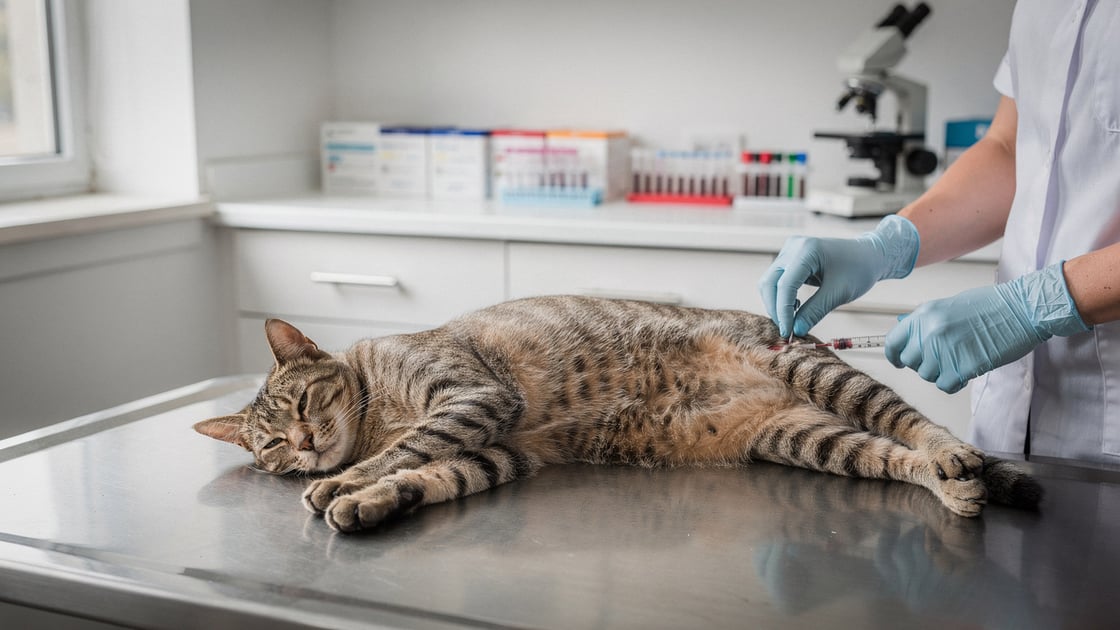
Cats are atypical hosts for Dirofilaria immitis, carrying only 1–3 worms (vs 30+ in dogs). When immature worms die, they trigger severe lung inflammation (HARD) — coughing, wheezing, mimics asthma. Risk of sudden death from pulmonary thromboembolism persists. HARD is caused by dying worms, not living ones
Signs: coughing, wheezing, rapid breathing, lethargy, weight loss, collapse. Diagnosis requires both antigen and antibody tests — antigen tests less sensitive in cats; antibody tests detect any life stage. Chest X-ray and echocardiography assess lung/heart changes. HARD mimics asthma — testing is essential in endemic areas. Antigen + antibody tests needed for accuracy
Antigen test: $30-$60. Antibody test: $30-$60. Chest X-ray: $150-$300. Echocardiography: $300-$600. Treatment (steroids, bronchodilators): $100-$300. Chronic management: $200-$500/year. Prevention: $50-$150/year. Acute hospitalization: $500-$2,000.
No FDA-approved adulticide for cats. Management: corticosteroids reduce lung inflammation, bronchodilators ease breathing, oxygen for acute crises. Surgical removal (via catheterization) possible but high-risk. Cats managed medically until natural resolution. No cure approved — management only
Diagnosis + first year of management. Acute respiratory crisis hospitalization adds $500-$2,000. Prevention costs $50-$150/year.
Even apparently stable cats can die suddenly when worms die and trigger acute pulmonary thromboembolism. This is why prevention is so critical — there is no safe "wait and treat" option once infected.
Adult heartworms live 2-4 years in cats (vs 5-7 years in dogs). The infection may resolve naturally, but lung damage from HARD can be permanent. Cats should be monitored every 6 months.
Monthly preventives are safe and effective: selamectin (Revolution), ivermectin (Heartgard for Cats), or moxidectin. Even indoor cats are at risk — mosquitoes can enter buildings. Prevention should be year-round in endemic areas.
02/04
Diagnosis (antigen + antibody + chest X-ray) + initial corticosteroid management.
Most comprehensive policies cover testing, X-rays, echocardiography, and management meds when not pre-existing. Prevention covered only by wellness riders, not standard illness policies.
HARD misdiagnosed as asthma for months before confirmation. If asthma documented pre-enrollment, insurers deny HARD claims as pre-existing. Ensure vet distinguishes HARD from asthma on the medical record.
Some policies add waiting periods in high-endemic areas. Moving a cat to high-risk areas shortly before enrollment triggers scrutiny. Enroll while healthy and on prevention.
Some policies exclude heartworm claims if cat lacked consistent preventive medication. Gaps in preventive use trigger negligence denials. Keep records of monthly administration.


🇺🇸 US Pet Insurance Guide
Not a book. Not a course. One printable worksheet that walks you through the exact questions and red flags — so you know what you're signing before you sign it. Takes 10 minutes. Saves you thousands.
Download the WorksheetInstant PDF. Print it, fill it out, bring it to your insurer call.
Related Conditions
Sources

My mother-in-law took her German boxer to the veterinary emergency room — $1,200 in tests, no answers. A different vet solved it in minutes with $8 pills.
That moment stuck with me. When you're scared, you'll pay anything — and some vets price accordingly. I dug into vet costs and insurance. Confusing policies, buried exclusions, impossible to compare. So I built the resource I wish existed: real costs, real exclusions, plain language. Not here to sell you a policy. Here so you don't get blindsided.