10 Common Dog Eye Problems: Symptoms, Causes & Treatment Costs
Red eye, discharge, squinting, cloudiness — most dog eye problems fall into one of ten categories. Here's what each looks like, what it costs to treat, and which ones are emergencies you cannot wait to handle.
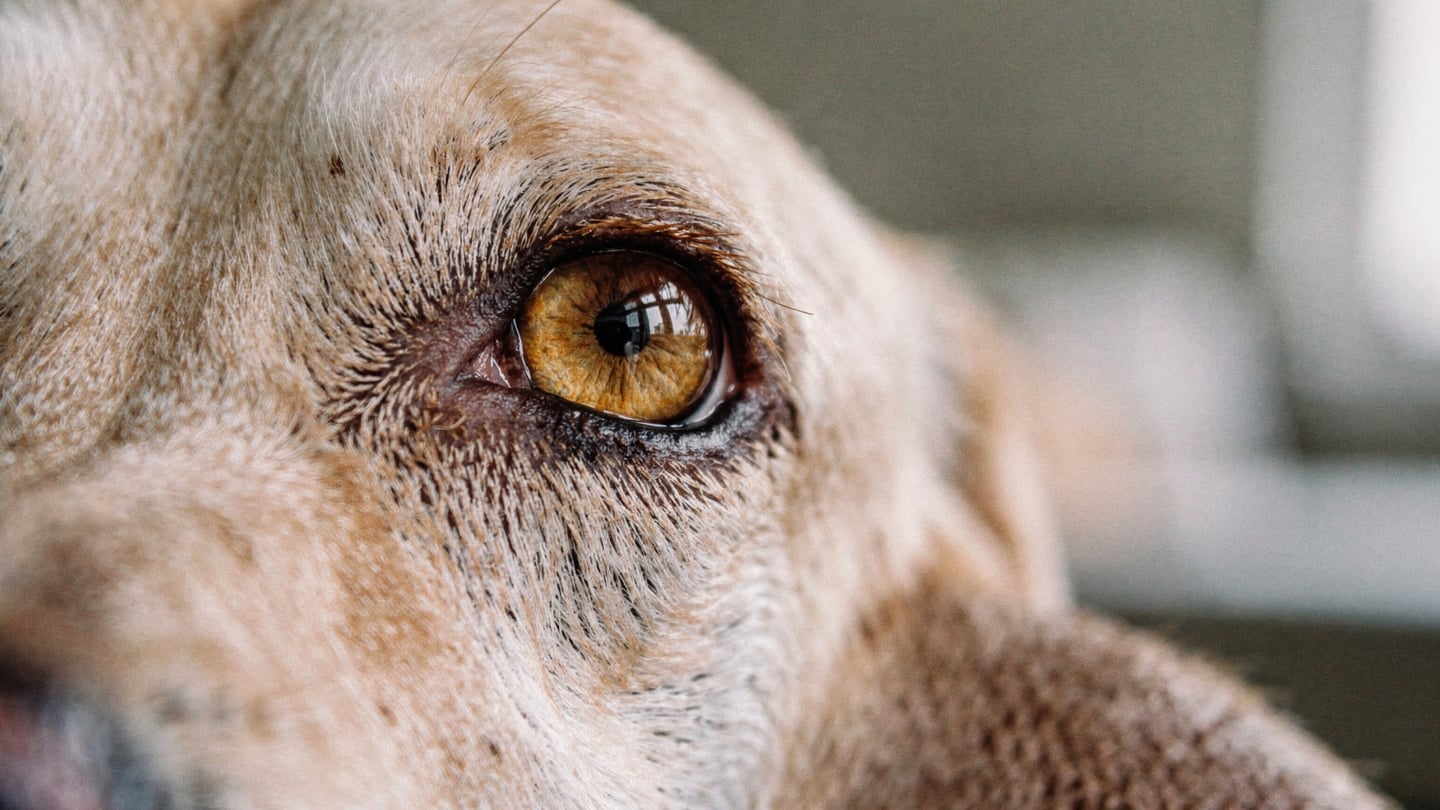
The eye is the only organ where you can see disease developing without imaging. That's a gift — if you know what you're looking at.
What's Actually Causing the Problem
Almost every dog eye problem owners see at home falls into one of three pattern groups: red eye (conjunctivitis, ulcer, glaucoma, uveitis), discharge (dry eye, bacterial infection, blocked tear duct, allergies), or visual change (cataracts, PRA, sudden blindness, lens luxation). Knowing which pattern you're seeing tells you whether it's a same-day vet visit or a Monday appointment.
The trickier symptoms are squinting and pawing at the eye — both indicate pain. A dog that won't open one eye, or rubs aggressively at it, is in real pain and likely has either an ulcer, foreign body, or acute glaucoma. None of those wait. Same-day veterinary attention prevents permanent vision loss.
Dogs hide pain better than they hide visible problems. Eye pain is one of the few they show clearly because the reflex to protect a damaged eye overrides their normal stoicism. Trust the squint.
The single most useful tool for owners is a smartphone flashlight. Shine it briefly at the eye in dim light and look at the pupil — does it constrict normally? Are both eyes the same? Is one cloudy, red, or larger than the other? You're not diagnosing. You're collecting information your vet can use.
The 10 Most Common Eye Problems
1. Corneal ulcers — surface scratches or erosions, often from a thorn, branch, or another dog's claw. Painful, treatable in 7–14 days if caught early. Treatment cost: $200–$600 for uncomplicated cases. Severe ulcers may need surgical repair ($1,500–$3,000).
2. Cherry eye — prolapse of the third eyelid gland, looks like a pink/red lump in the corner of the eye. Most common in Bulldogs, Boston Terriers, Beagles, and Cocker Spaniels. Surgical repair: $300–$800 per eye.
3. Glaucoma — increased pressure inside the eye. Acute glaucoma is an emergency; pressure must be lowered within 24–48 hours or vision is permanently lost. Cost: $200–$500 for diagnosis and initial medical management; specialist surgery $2,000–$4,000.
4. Cataracts — cloudy lens, progressive vision loss. Diabetes is a major cause. Surgical removal restores vision in most cases. Cataract surgery cost: $2,700–$4,000 per eye, often $5,000+ for both.
5. Progressive Retinal Atrophy (PRA) — inherited progressive blindness. No treatment; manageable with environmental adjustments. DNA testing now identifies carriers in many breeds before breeding.
The Other Five (Equally Common)
6. Entropion — eyelid rolling inward, eyelashes irritate the cornea. Surgical correction is the only fix. Common in Bulldogs, Shar Peis, and Chow Chows. Cost: $500–$1,500 per eye.
7. Bacterial conjunctivitis — pink eye in dogs. Discharge, redness, mild swelling. Treatable with topical antibiotics in 5–10 days. Cost: $80–$200 for vet visit and medication.
8. Dry eye (Keratoconjunctivitis Sicca / KCS) — autoimmune destruction of tear glands; the eye stops making enough tears. Lifelong management with cyclosporine drops ($30–$80/month). Without treatment, leads to chronic ulcers and blindness.
9. Eye trauma / foreign body — thorns, grass awns, fight injuries, abrasions from playing. Always evaluate same-day; superficial injuries become serious if a foreign body lodges under the eyelid. Cost: $150–$500 for exam and removal.
10. Lens luxation — the lens dislocates from its normal position, often due to trauma or genetics (Jack Russell Terriers, Shar Peis, Border Collies). Acute anterior luxation is a true emergency that can blind the eye in hours.
Emergency vs. Routine: Knowing the Difference
Same-day emergency (call right now, expect to drive there): sudden blindness, severe squinting, eye visibly larger than the other, hyphema (blood inside the eye), eyeball protruding from the socket (proptosis — pug owners know this one), chemical exposure, deep penetrating injury.
Same-day urgent (today, but a regular clinic is fine): mild squinting that's been going on more than 4 hours, sudden onset of cloudiness in one eye, yellow or green discharge with pain, swelling around the eye that's getting worse.
Next-day appointment: clear watery discharge for more than a day, mild redness without pain, slight visible discharge that wipes off, both eyes equally affected with no pain (often allergies).
Watch for 48 hours: brief mild squint that resolves on its own (a single irritation), tearing after a known cause (sneezing dust), one episode of mild pawing that stops. If symptoms recur or worsen, escalate.
What Eye Problems Cost in 2026
Routine vet eye exam: $80–$150 (included in most general visits). Specialist veterinary ophthalmologist consultation: $200–$400. Specialists are worth it for cataracts, glaucoma, retinal disease, and any case where general practice didn't resolve.
Topical medications: Generic eye drops $20–$60. Brand-name cyclosporine for dry eye: $40–$100/month, lifelong. Antibiotic ointments: $20–$40 per tube.
Surgical repairs: Cherry eye $300–$800 per eye, entropion $500–$1,500 per eye, cataract surgery $2,700–$4,000 per eye, glaucoma surgery $2,000–$4,000 per eye, enucleation (eye removal in cases beyond saving) $800–$2,000.
Insurance coverage: Most pet insurance covers eye conditions if not pre-existing. The catch: cherry eye is often listed in policy exclusions for predisposed breeds (Bulldogs, Beagles), and PRA exclusion is common in breeds with documented genetic risk. Read your policy's breed-specific exclusion list before assuming you're covered.
Common Questions
Why is my dog squinting one eye?
What does it mean when a dog's eye is red?
How much does dog eye surgery cost?
Can dog eye problems heal on their own?
Does pet insurance cover eye problems?
Sources
- A note on this research. This is not medical advice. Eye problems in dogs progress fast — if your dog has acute pain, sudden vision change, or visible eye trauma, see a veterinarian today, not next week. The cost ranges here are typical US practice values and vary significantly by region.
- American College of Veterinary Ophthalmologists — Public resources on common canine eye conditions and emergencies.
- Cornell University College of Veterinary Medicine — Riney Canine Health Center, ocular disease references.
- Merck Veterinary Manual — Disorders of the Eye in Small Animals.