Procedure Guide ·Allergy Testing ·2026

Allergy Testing in Cats — costs, what to expect & insurance

Allergy testing in cats costs $150-$600 depending on the method — but a food elimination trial (free) must come first, since food allergies are the most common cause of year-round itching and cannot be diagnosed by blood tests. Intradermal skin testing ($300-$600 at a dermatology specialist) is the gold standard for environmental allergens. Serology (blood) tests are convenient but less accurate. Most allergic cats need ongoing management, not a cure.

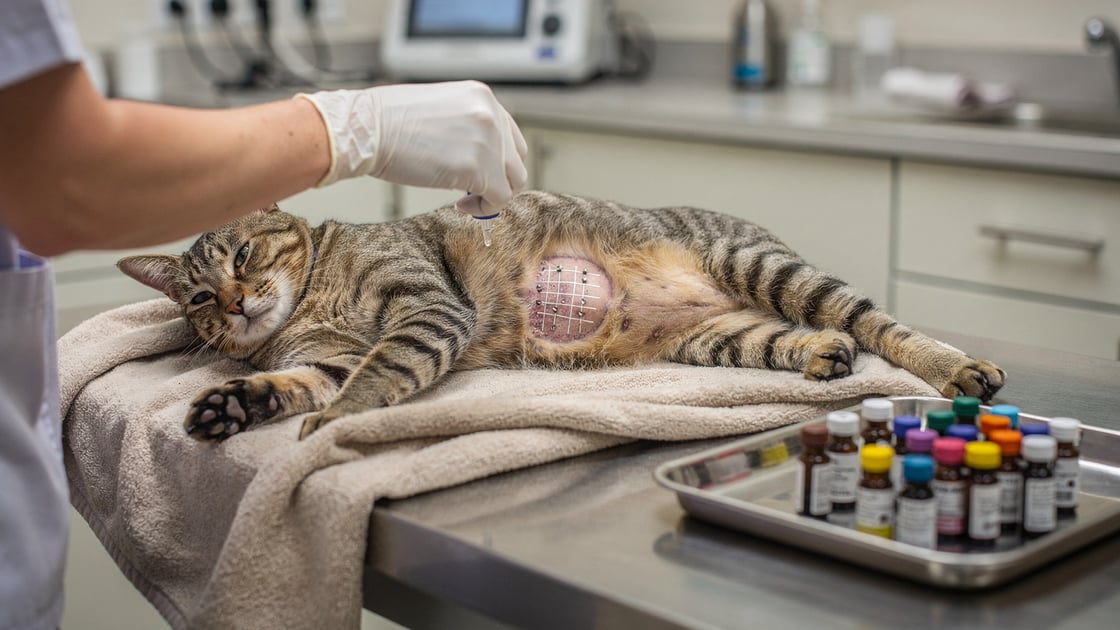
Veterinarian performing feline intradermal allergy testing in dermatology clinic
Allergy testing for cats — real vet costs and insurance guide.
01/04
Key Facts & Real Costs

Why Allergy Testing Is Done

Three allergy triggers: food (most common year-round), environmental allergens (atopic dermatitis) like dust mites and pollens, and flea saliva. Testing identifies environmental triggers for immunotherapy. Food and flea allergies diagnosed by elimination, not testing. Food trial must be completed before environmental testing

Testing Methods

(1) Food elimination trial: 8-12 weeks on novel protein or hydrolyzed diet; blood tests cannot diagnose food allergy. (2) Intradermal skin testing: allergens injected under skin; gold standard for environmental allergy; requires dermatologist. (3) Serology (ELISA/RAST): measures allergen-specific IgE; convenient but less accurate. Dermatologist referral required for intradermal testing

Cost Breakdown — $150-$600

Food elimination trial diet: $80-$200. Dermatology consultation: $150-$250. Intradermal skin testing: $300-$600 (usually includes consultation). Serology allergy panel: $150-$300. Allergen-specific immunotherapy: $100-$200 per vial, 2-4 vials/year. Primary care allergy workup (cytology, flea check): $100-$200.

After Testing — Immunotherapy

Allergen-specific immunotherapy (ASIT) modifies the disease, not just symptoms. Custom extracts injected or sublingual over 12-24 months. Response rate: 60-70%. Symptom control medications (cyclosporine, steroids) still needed during flares. Immunotherapy response: 60-70% of cats improve

Total Cost — $400-$900

Dermatology visit + intradermal test + first year of immunotherapy. Serology route: $300-$600 total, less accurate.

Risk — Minimal

Intradermal testing requires light sedation — very low risk. Serology is a simple blood draw. Immunotherapy injections carry a small risk of allergic reaction within 30 minutes of injection (rare in cats).

Duration

Intradermal test: 1-2 hour appointment. Food trial: 8-12 weeks. Immunotherapy course: 12-24 months. Allergy management in cats is typically lifelong.

When Testing Helps

Testing is most useful when food trial and flea control have already been ruled out and environmental atopy is suspected — especially in cats with seasonal itch patterns or year-round symptoms despite diet change.

02/04

The Real Cost

Dermatology consultation + intradermal testing. Ongoing immunotherapy adds $200-$400/year.

Intradermal skin test$300-$600 Serology blood panel$150-$300 Immunotherapy (per year)$200-$800
$500typical cost
03/04
Insurance Traps Allergy testing and treatment — a chronic condition with layered coverage issues.
Red flag · Coverage

Coverage Basics

Most comprehensive policies cover allergy testing as a diagnostic procedure for covered illness, if not pre-existing. Intradermal and serology panels typically reimbursable. Immunotherapy (shots or drops) may also be covered.


Red flag · Pre-existing

Chronic Allergy Trap

Allergies are among the most common pre-existing exclusions. Any documented itching, skin disease, ear infections, or hair loss before enrollment—even without formal diagnosis—can deny allergy claims. Biggest trap for allergy coverage.

Red flag · Exclusion

Ongoing Treatment Exclusion

Some policies exclude ongoing immunotherapy as chronic condition management. Others cap reimbursement per condition yearly. At $200-$800/year, verify if immunotherapy refills are covered or excluded.

Red flag · Waiting period

Dermatology Waiting Period

Allergies are subject to standard 14-day illness waiting period. If symptoms appeared before enrollment—even untested—treated as pre-existing. Enroll healthy and symptom-free for best coverage.

Pet Insurance Due Diligence Workbook
Happy readers

Happy readers

🇺🇸 US Pet Insurance Guide

Pet Insurance Worksheet

Not a book. Not a course. One printable worksheet that walks you through the exact questions and red flags — so you know what you're signing before you sign it. Takes 10 minutes. Saves you thousands.

Download the Worksheet

Instant PDF. Print it, fill it out, bring it to your insurer call.

04/04
Common Questions Real answers about allergy testing costs, methods, and insurance coverage for cats.
0What type of allergy testing is best for cats?
Food allergies: strict 8-12 week elimination trial is the only reliable method—blood tests don't work. Environmental allergies: intradermal skin testing by a dermatologist is gold standard. Serology less accurate. Complete food trial first.
1How much does allergy testing cost for cats?
Dermatology: $150-$250. Intradermal test: $300-$600. Serology: $150-$300. Food trial diet: $80-$200 (8-12 weeks). Immunotherapy: $200-$800/year.
2Can a blood test diagnose food allergies in cats?
No. Blood tests cannot diagnose food allergies. Only method: strict 8-12 week elimination trial on hydrolyzed or novel protein diet—no treats or flavored meds. Symptoms returning on reintroduction confirms diagnosis.
3What is allergen-specific immunotherapy (ASIT) for cats?
ASIT (shots or sublingual drops) gradually expose cats to specific allergens for immune tolerance. Custom extract based on intradermal or serology results. Weekly injections, then monthly; daily drops. Response: 60-70% improve after 6-12 months. Only treatment that modifies allergy.
4How long does a food elimination trial take for cats?
Minimum 8 weeks; 12 weeks recommended for skin symptoms. Prescribed diet only—no treats or flavored meds. If symptoms improve, reintroducing original diet and causing symptoms to return confirms food allergy.
5Does pet insurance cover allergy testing for cats?
Most comprehensive policies cover allergy testing if not pre-existing. Biggest trap: prior itching, skin disease, or ear infections—even undiagnosed—classify as pre-existing and trigger denial. Enroll healthy. Some exclude immunotherapy refills.
6What are the signs my cat needs allergy testing?
Environmental allergy signs: facial/neck itching, miliary dermatitis, symmetrical hair loss, eosinophilic plaques, recurrent infections. Year-round suggests food or dust mites; seasonal suggests pollen. Tail-base itching suggests fleas—rule out first.
Marcel Janik, founder of RealVetCost

I'm a dog owner who got burned

My mother-in-law took her German boxer to the veterinary emergency room — $1,200 in tests, no answers. A different vet solved it in minutes with $8 pills.

That moment stuck with me. When you're scared, you'll pay anything — and some vets price accordingly. I dug into vet costs and insurance. Confusing policies, buried exclusions, impossible to compare. So I built the resource I wish existed: real costs, real exclusions, plain language. Not here to sell you a policy. Here so you don't get blindsided.