Disease Guide ·Vestibular Disease ·2026

Vestibular Disease in Cats — symptoms, vet costs & insurance

Vestibular disease causes sudden head tilting, falling, and rolling in cats — the idiopathic form resolves in 2-4 weeks without treatment. A veterinary workup ($200-$500) rules out serious causes like ear infection, FIP, or brain tumor before assuming it's benign.

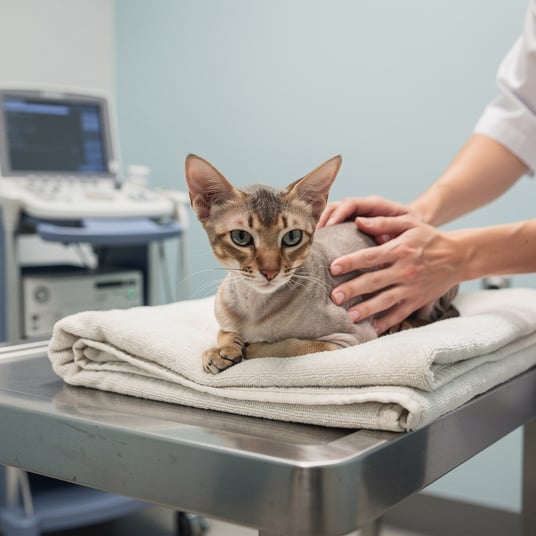
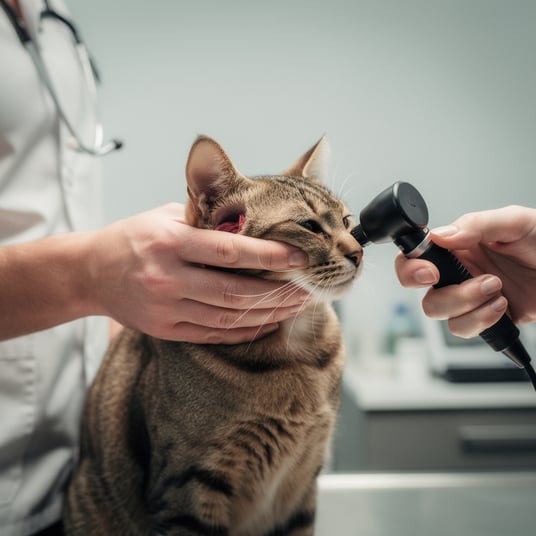
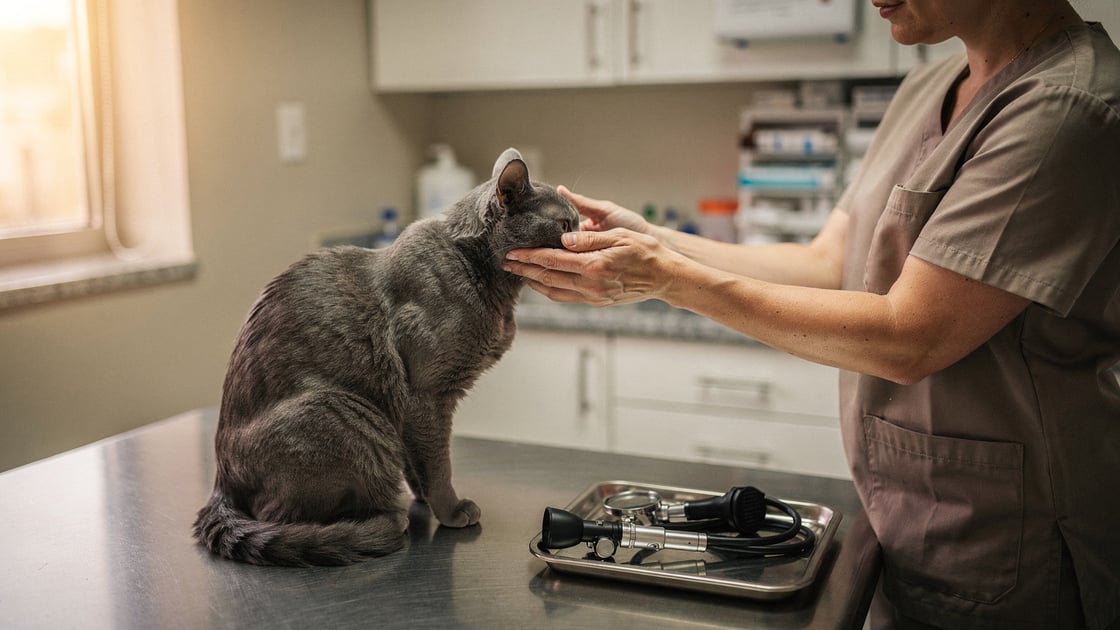
Veterinarian performing a feline neurological exam for vestibular disease
Vestibular disease in cats — real vet costs and insurance guide.
01/04
Key Facts & Real Vet Costs

What Causes Vestibular Disease

Idiopathic: sudden onset, no identifiable cause, most common, resolves spontaneously. Secondary causes to rule out: otitis interna, nasopharyngeal polyps, FIP, toxoplasmosis, brain tumor, thiamine deficiency, aminoglycoside toxicity, hypothyroidism.

Symptoms — Dramatic and Sudden

Sudden head tilt (45-90 degrees), nystagmus (rapid involuntary eye movements), rolling, falling, circling, extreme disorientation. Nausea, vomiting. Most cats improve within 48-72 hours. Head tilt may persist after recovery.

Diagnosis — $200-$500

Ear exam for infection, polyps, mites. Neurological exam distinguishes peripheral vs central disease. Blood panel + thiamine. CT or MRI ($1,000-$2,500) if central disease suspected. FIP and toxoplasmosis titers if indicated.

Treatment — $0-$200 (Idiopathic)

Idiopathic: supportive care only — restrict activity, offer food/water nearby. Meclizine ($5-$15) reduces nausea. Recovery: 2-3 days significant improvement, 2-4 weeks full recovery. Head tilt may persist cosmetically. Otitis interna: antibiotics/antifungals 6-8 weeks ($150-$300). FIP: antivirals ($3,000-$8,000).

Total Cost — $200-$2,500

Idiopathic: $200-$500 workup + supportive care. Ear infection: add $200-$400 for treatment. FIP or brain tumor: $3,000-$10,000+.

Any Age — More Common in Older Cats

Idiopathic vestibular disease is more common in middle-aged to older cats. No specific breed predisposition. Sometimes called 'Old Cat Vestibular Disease' due to age association.

Prognosis — Excellent (Idiopathic)

Idiopathic form: full recovery in 2-4 weeks. Head tilt may persist cosmetically. Secondary vestibular disease: prognosis depends on underlying cause. FIP-related: poor without treatment.

Home Care

Prevent falls by confining to a small safe space. Place food, water, and litter box within easy reach. Assist with eating if needed. Visit the vet to rule out serious causes first — do not assume it's idiopathic.

02/04

The Real Cost

Vet workup to rule out serious causes + supportive care.

Diagnostic workup$200-$500 Treatment (idiopathic)$0-$200 MRI (if central disease)$1,000-$2,500
$350typical cost
03/04
Insurance Traps Vestibular disease looks like a stroke — here's how insurance handles the workup and treatment.
Red flag · Coverage

Coverage Basics

Covered as illness by most accident and illness policies. Diagnostic workup (blood panel, ear exam, neurological exam) is covered. MRI for central disease covered by comprehensive policies. Treatment of underlying conditions (FIP, otitis interna) is covered.


Red flag · Pre-existing

Ear Infection Pre-existing Trap

Otitis interna-caused vestibular disease with prior chronic ear infections may be denied as pre-existing. FIP-related vestibular disease may be denied if FIP symptoms preceded enrollment.

Red flag · Neurological

Neurological Waiting Period

Extended waiting periods (up to 6 months) apply to neurological conditions. Vestibular disease may trigger this even though idiopathic cases resolve on their own. Check your policy's neurological waiting period.

Red flag · Idiopathic

Idiopathic Diagnosis and Coverage

Some insurers question if diagnostic workup for 'idiopathic' conditions was medically necessary. In reality, vestibular workup is standard of care. Document vet's reasoning for tests. Idiopathic conditions are covered when proper evaluation is performed.

Pet Insurance Due Diligence Workbook
Happy readers

Happy readers

🇺🇸 US Pet Insurance Guide

Pet Insurance Worksheet

Not a book. Not a course. One printable worksheet that walks you through the exact questions and red flags — so you know what you're signing before you sign it. Takes 10 minutes. Saves you thousands.

Download the Worksheet

Instant PDF. Print it, fill it out, bring it to your insurer call.

04/04
Common Questions Real answers about vestibular disease diagnosis, prognosis, and insurance.
0What is vestibular disease in cats?
A disruption of the vestibular system (inner ear and brainstem that controls balance). Cats suddenly lose posture and balance control. Most common form is idiopathic (no identifiable cause) and resolves spontaneously. Must distinguish from serious CNS disease.
1Is my cat having a stroke?
Owners often mistake vestibular disease for stroke — the sudden onset, inability to walk, and circling are alarming. True strokes do occur (from hypertension, heart disease). Vestibular disease is more common with better prognosis. Vet exam distinguishes peripheral from central disease. Key: cats with peripheral vestibular disease are alert and mentally normal.
2Will my cat recover from vestibular disease?
Idiopathic: almost certainly yes. Most improve in 48-72 hours, fully recover in 2-4 weeks. Head tilt may persist cosmetically — cats adapt normally. Secondary causes (ear infection, FIP, tumor) recovery depends on treating the underlying condition.
3What should I do if my cat suddenly falls over and can't walk?
See vet same day — don't wait. Idiopathic cases self-resolve, but serious causes (FIP, tumor, stroke) need prompt treatment. Prevent falls: confine to safe padded area, keep away from stairs/heights. Offer food/water at cat's level while lying down.
4How is vestibular disease in cats diagnosed?
Thorough physical and neurological exam — vet evaluates nystagmus type/direction, cranial nerve deficits, consciousness level to distinguish peripheral vs central. Blood panel for metabolic causes and thiamine. Ear exam for infection/polyps. MRI or CT if central disease suspected. Idiopathic diagnosis by ruling out.
5What is the difference between peripheral and central vestibular disease?
Peripheral: inner ear (cochlea, vestibular nerve) — idiopathic and otitis interna common. Cat alert despite incoordination. Central: brainstem/cerebellum — FIP, tumors, strokes. Central hallmarks: vertical nystagmus, cranial nerve deficits, altered mentation. Central has guarded prognosis and requires MRI.
6Does vestibular disease recur in cats?
Can recur, but most cats have one episode. Unresolved head tilt: cats compensate and function normally. Recurring episodes warrant finding underlying cause. Otitis interna-related recurrence depends on controlling ear disease.
7Does pet insurance cover vestibular disease in cats?
Yes — most policies cover diagnosis, MRI if needed, and treatment of underlying conditions. Key traps: neurological waiting periods, prior ear disease as pre-existing, MRI costs ($1,000-$2,500). Comprehensive policies with imaging provide best value.

Related Conditions

Marcel Janik, founder of RealVetCost

I'm a dog owner who got burned

My mother-in-law took her German boxer to the veterinary emergency room — $1,200 in tests, no answers. A different vet solved it in minutes with $8 pills.

That moment stuck with me. When you're scared, you'll pay anything — and some vets price accordingly. I dug into vet costs and insurance. Confusing policies, buried exclusions, impossible to compare. So I built the resource I wish existed: real costs, real exclusions, plain language. Not here to sell you a policy. Here so you don't get blindsided.